
Overview
Pigmentation treatment in Punjabi Bagh only works consistently when the treatment method matches the depth at which the pigment sits in the skin, because superficial pigmentation in the epidermis responds well to chemical peels and topical agents while deeper dermal pigmentation, like melasma, requires laser or combination protocols to reach it effectively. Using a surface treatment on deep pigmentation produces minimal change regardless of how many sessions are completed, which is the most common reason pigmentation feels unresponsive to treatment.
For more before-and-after results and behind-the-scenes clinic content, follow Aurum on Instagram, or call +91 93102 11121 to speak with the clinic directly.
Why the Same Pigmentation Can Look the Same but Behave Completely Differently
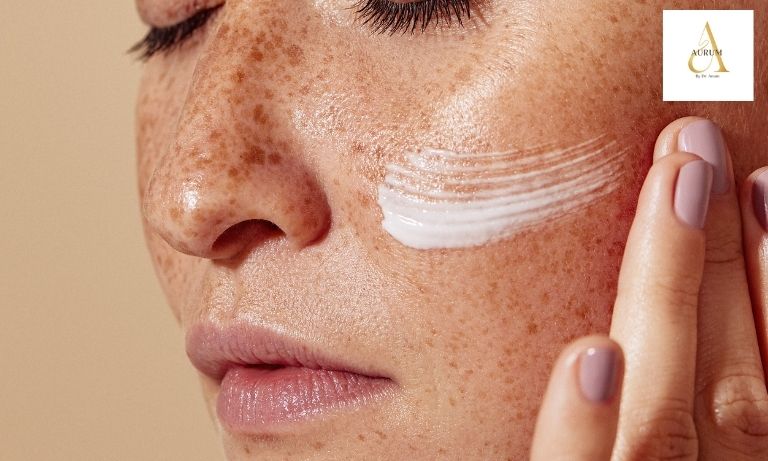
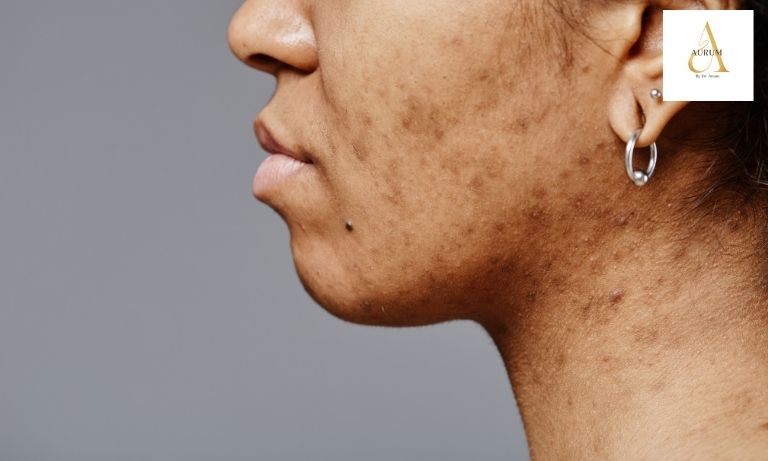
Two patches of darkened skin sitting side by side on the same face can be at completely different depths, caused by completely different mechanisms, and require completely different treatments. Post-inflammatory hyperpigmentation from acne sits in the epidermis and responds to chemical peels, topical agents, and gentle laser toning relatively predictably. Melasma is typically a mixed condition with both epidermal and dermal components, and its dermal component is what makes it resistant to treatments that work well on surface pigmentation. Treating both with the same approach because they look similar produces inconsistent results. The dermal component of melasma, in particular, is often undertreated because clinics use surface-level protocols on what they assume is purely epidermal pigmentation. If you are also working through pigmentation in combination with acne scar concerns, this guide on acne scars in Punjabi Bagh and why they persist is relevant reading alongside this one.
How to Know Which Layer Your Pigmentation Is In
A Wood’s lamp examination under UV light helps distinguish epidermal from dermal pigmentation because epidermal pigment fluoresces more distinctly under UV than dermal pigment does. This is not a tool available at every clinic, and its absence from a pigmentation assessment is worth noting. Dermoscopy also helps experienced clinicians assess pigment depth visually. A clinic that recommends a specific treatment without assessing pigment depth is essentially guessing about a variable that changes the treatment entirely. At Aurum by Dr Anam, pigmentation assessment covers the type, depth, and likely cause of the pigmentation before any protocol is built, because the cause also affects which treatments are contraindicated, not just which are indicated.
What Works at Superficial Depth
Chemical peels with glycolic, salicylic, or kojic acid work at the epidermal level and are effective for surface pigmentation, post-acne marks, and general uneven tone. Topical agents including vitamin C, niacinamide, azelaic acid, and tranexamic acid work by inhibiting melanin production or accelerating cell turnover at the surface. These are appropriate first-line options for epidermal pigmentation and for skin that is too sensitive for laser as a starting point. If you have specifically been researching how chemical peels sit within the broader range of pigmentation options, this earlier comparison of chemical peel versus HydraFacial versus laser covers that directly and is worth reading alongside this guide.
What Reaches Dermal Pigmentation More Effectively
Q-switch Nd: YAG laser toning reaches the dermis and breaks down pigment at that depth without producing the surface disruption of a medium-depth peel. It is particularly used for melasma management when topical agents alone have been insufficient. The key distinction with melasma is that laser toning manages it rather than cures it, because the hormonal and UV triggers that caused the pigmentation do not disappear after treatment. Oral tranexamic acid, which works systemically to reduce melanin stimulation, is another option for deeper melasma that does not respond adequately to topical-only approaches. The combination of these tools, matched to what the pigmentation assessment reveals, is what produces consistent results rather than any single modality used in isolation. Laser and advanced technology treatments at Aurum include options across different depths and pigment types rather than a single laser used for every concern.
Why Sun Protection Is Not Optional, It Is Part of the Treatment
For dermal pigmentation that does not respond to topical approaches, laser and advanced technology treatments at Aurum are often the next step discussed.
Pigmentation at any depth returns faster than it was treated when UV exposure continues without protection. Delhi’s UV index is significant for most of the year, and patients who complete a pigmentation treatment course and then reduce their SPF use over summer often present with worse pigmentation than they started with. SPF 30 to 50 applied every two hours during outdoor exposure is not aftercare. It is an ongoing component of pigmentation management that determines how long the results from any treatment last.
For related reading, see our guide on why pigmentation keeps coming back for so many patients.
For related reading, see our guide on whether glutathione works the same way across every skin tone.
Conclusion
Choosing the right approach starts with asking the right questions and understanding what your own skin or concern actually needs, not a generic protocol. The team at Aurum by Dr Anam works with patients through every stage of this decision, from the first consultation to full recovery. Book a Pigmentation Consultation at Aurum, Punjabi Bagh
Frequently Asked Questions
How many sessions does pigmentation treatment take in Punjabi Bagh?
It depends on the type and depth. Superficial pigmentation typically shows improvement over three to six peel or laser toning sessions. Melasma often requires longer-term management with maintenance sessions every six to eight weeks alongside topical treatment.
Can pigmentation treatment make things worse on Indian skin?
Yes, if the wrong treatment is used for the depth and type of pigmentation. Aggressive laser settings on melasma, for instance, can worsen it significantly. This is why assessment before treatment is essential rather than choosing a protocol based on what worked for someone else.
Is glutathione useful for pigmentation in Punjabi Bagh?
Glutathione works as an antioxidant that modulates melanin production, primarily at a systemic level. It is useful as a supporting treatment alongside targeted pigmentation protocols but rarely sufficient as a standalone treatment for established pigmentation. For more on how glutathione specifically fits into skin care, this guide on what glutathione actually does for skin covers that in detail.
What is the difference between treating melasma and treating sun spots?
Sun spots are typically epidermal and respond well to peels and lasers. Melasma has both epidermal and dermal components and is driven by hormonal and UV triggers that persist after treatment, which is why it requires management rather than a one-time cure.