
Overview
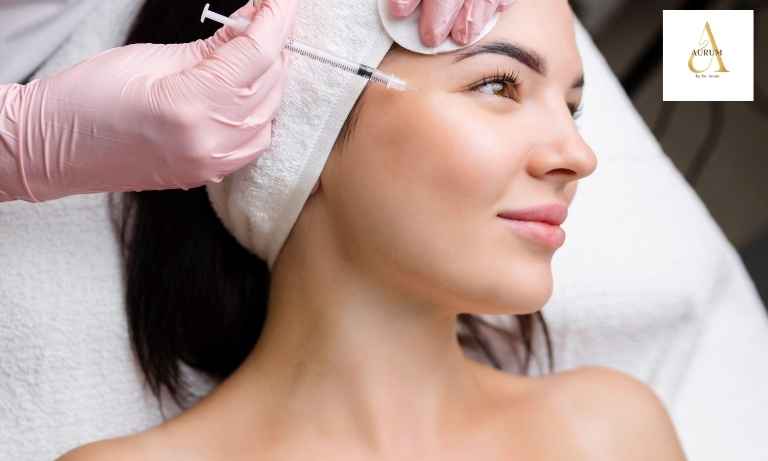
Botox treatment in Punjabi Bagh typically lasts between three and five months before muscle activity returns to its baseline, but this range varies significantly based on the area treated, the dose used, the individual’s metabolism, and their activity level. Patients who do intense cardiovascular exercise five or more times a week, who have a fast metabolic rate, or who are receiving their first-ever Botox treatment often find it wears off at the shorter end of this range. Understanding what shortens duration helps patients plan maintenance sessions more realistically rather than being surprised when results fade faster than a general three-to five-month estimate suggested.
For more before-and-after results and behind-the-scenes clinic content, follow Aurum on Instagram, or call +91 93102 11121 to speak with the clinic directly.
Why the Three-to Five-Month Range Is Wider Than It Sounds
Three to five months is a two-month spread, which is actually a meaningful difference when planning a maintenance schedule around an event or a specific outcome. A patient who expects five months and experiences three is going to feel the result wore off early, even though it performed within the quoted range. The range exists because individual metabolism is genuinely variable and because the dose, placement, and area treated all affect how long the product remains active in the specific muscle. For patients who have already read what first-timers get wrong about Botox in Punjabi Bagh, this guide covers the next stage of questions that come up once the initial experience is behind you.
The Factors That Consistently Shorten Botox Duration
High-intensity exercise is the most commonly discussed factor, and the evidence for it is consistent. Patients who do very frequent cardiovascular or high-intensity training have higher overall metabolic rates and increased blood flow to facial muscles during exercise, both of which appear to accelerate how quickly the body processes the neurotoxin. This does not mean stopping exercise. It means calibrating the expected duration accordingly and potentially scheduling maintenance at three to four months rather than waiting for the full return of movement. First-time recipients almost always experience a shorter duration than repeat patients. The reason is that on the first treatment, the muscle has not been through a cycle of relaxation, and the neuromuscular junction responds differently than it does after several rounds. Most patients find the duration extends slightly with each successive treatment as the muscle adapts to reduced activity. Facial expressiveness matters more than most patients realise. Someone who has very strong, expressive forehead movement or who habitually raises their eyebrows when speaking is placing more demand on the treated muscle, which appears to accelerate the return of activity compared to someone whose resting facial expression involves less muscular engagement. Dose matters directly. A lower dose produces a shorter duration even when placed correctly because there is simply less product working on the muscle. The right dose for your specific muscle strength and desired outcome is determined at consultation and is not a standard number applied to everyone.
What Happens When Botox Wears Off and How to Know
Botox does not disappear all at once. The muscle activity returns gradually over two to four weeks, which means there is a transition period where some movement has returned, but the full range of expression is not yet back. Most patients notice this as a slight return of the ability to raise their forehead or scrunch the brow before full movement returns. This transition period is the practical window for a maintenance appointment. Waiting until full movement has completely returned means waiting until the treatment is entirely gone, which is not always necessary for patients who want to maintain a consistent outcome. At Aurum by Dr Anam, the follow-up appointment is timed to this transition window rather than to a fixed date on the calendar.
Does Botox Work Differently in Different Areas
Patients wanting longer-lasting results sometimes combine Botox with other anti-aging and aesthetic enhancements available at Aurum.
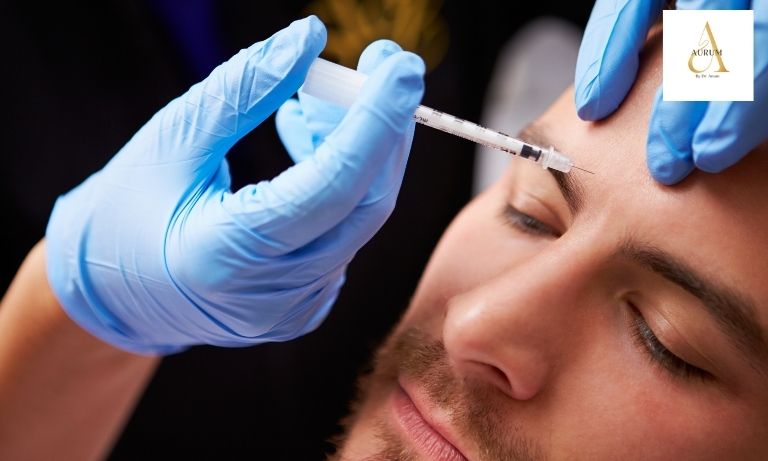
Yes. The forehead and glabella, the area between the brows, tend to hold Botox slightly longer than the crow’s feet area around the eyes, partly because the orbicularis oculi muscle around the eyes has a higher density of movement associated with blinking and expression. The masseter muscle used for jaw slimming holds Botox longer than facial expression muscles because it is a larger muscle that receives smaller relative doses. Patients who receive Botox across multiple areas in the same session sometimes notice different areas returning at different rates, which is entirely normal and reflects these muscle-specific differences rather than uneven treatment.
For related reading, see our guide on non-surgical skin tightening as a complementary option.
Conclusion
Choosing the right approach starts with asking the right questions and understanding what your own skin or concern actually needs, not a generic protocol. The team at Aurum by Dr Anam works with patients through every stage of this decision, from the first consultation to full recovery. Book a Botox Consultation at Aurum, Punjabi Bagh
Frequently Asked Questions
Can I make Botox last longer in Punjabi Bagh?
Avoiding extremely high-intensity exercise in the first 24 hours after treatment, not rubbing the treated area, and staying upright for four hours post-treatment are the practical aftercare steps that support duration. Beyond this, the main factors are metabolic and muscular, which are not directly controllable.
How soon is it safe to have Botox again if it wore off faster than expected?
Most practitioners recommend waiting at least ten to twelve weeks from the previous treatment before retreating, regardless of how quickly it wore off, to avoid cumulative product buildup and allow a proper assessment of what dose adjustment might be needed.
Does Botox work the same way on forehead lines and jaw slimming?
The mechanism is the same, but the dosing, placement, and duration differ significantly. Jaw slimming requires higher doses to affect the larger masseter muscle and often lasts longer per session than standard facial expression muscle treatment.
Can stress affect how long Botox lasts?
Chronic stress is associated with elevated cortisol, which has a catabolic effect on many biological processes. There is some evidence that high stress levels may contribute to faster product metabolism, though this is harder to measure directly than exercise effects.