

Can Hair Fall in Punjabi Bagh Actually Be Reversed or Just Slowed Down?
Overview
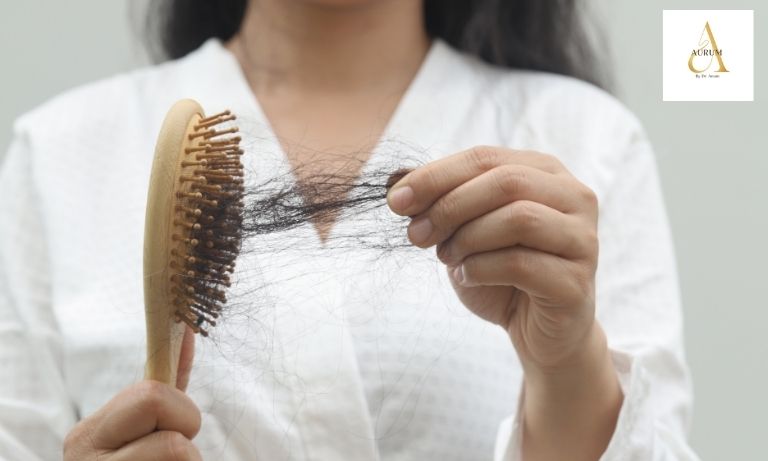
Hair fall is one of those concerns that creeps up gradually. You notice more hair on the pillow. The shower drain looks different. Your parting looks slightly wider than it used to. And then one day it occurs to you that this has been happening for a while.
The question most people have is whether what is happening is temporary or permanent. Whether treatment will actually bring hair back or just stop more from going. The honest answer is that it depends entirely on what is causing the hair loss in the first place.
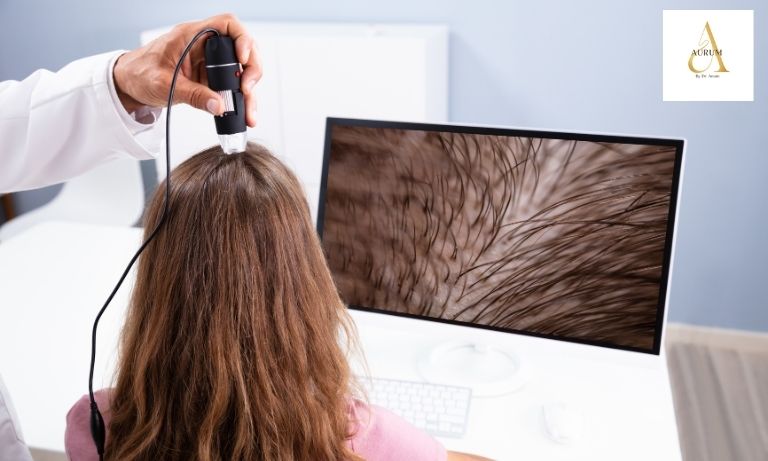
At Aurum by Dr Anam in Punjabi Bagh, hair fall treatment starts with figuring out the cause because treating the wrong type of hair loss with the wrong approach is one of the main reasons people spend money without seeing results.
Why Does Hair Fall Happen in the First Place?
Hair fall has more causes than most people realise, and the treatment is completely different depending on which one applies.
The most common reasons include:
• Androgenetic alopecia, which is a genetic pattern of hair loss and the most common cause in both men and women
• Telogen effluvium, a temporary shedding triggered by stress, illness, nutritional deficiency, or hormonal changes
• Thyroid dysfunction – both overactive and underactive thyroid significantly affects hair health
• Iron deficiency and anaemia, which are extremely common in women and a frequently missed cause of diffuse shedding
• Scalp conditions like dandruff, seborrhoeic dermatitis, or fungal infections that damage follicles over time
• Post-pregnancy hair loss, which is hormonal and usually temporary, but can feel alarming in its intensity
The distinction between temporary shedding and permanent follicle damage is the most important one. Telogen effluvium looks dramatic, but the follicles are intact, and hair grows back once the trigger is resolved. Androgenetic alopecia, if left untreated for long enough, leads to follicle miniaturisation that eventually becomes permanent.
Can Hair Actually Grow Back?
For telogen effluvium and nutritional deficiency-related hair loss, yes. Once the underlying cause is addressed, hair typically regrows within 3 to 6 months. The follicles were never permanently damaged.
For androgenetic alopecia, the picture is more nuanced. Follicles that have miniaturised but not completely died can be stimulated back into activity with the right treatment. Follicles that have been dormant for many years and show no activity on a scalp assessment are significantly harder to recover. This is why early treatment genuinely changes outcomes.
What Treatments Are Available for Hair Fall in Punjabi Bagh?
At Aurum, treatment is personalised based on what is actually causing the hair loss. A blood test and scalp assessment are part of the initial evaluation.
PRP therapy uses platelet-rich plasma derived from your own blood and injected into the scalp to stimulate dormant follicles and improve hair density. It works well for early to moderate androgenetic alopecia and for post-pregnancy shedding.
GFC treatment is a more concentrated version of PRP using growth factor concentrate. It delivers a higher concentration of growth factors directly to the follicle and is increasingly preferred over standard PRP for its more consistent results.
Mesotherapy involves micro-injections of vitamins, minerals, and growth factors into the scalp to nourish follicles and improve circulation in the scalp environment. Useful as both a treatment and a maintenance protocol.
Topical and oral medications, including minoxidil and finasteride, remain the most evidence-backed treatments for androgenetic alopecia. Dr Anam incorporates these into treatment plans where appropriate, alongside clinic-based treatments.
Scalp treatments for conditions like seborrhoeic dermatitis or fungal infections address the scalp environment that follicles depend on. These are sometimes the primary treatment needed when a scalp condition is driving the hair loss.
How Long Does Hair Fall Treatment Take to Show Results?
Most patients start noticing reduced shedding within 6 to 8 weeks of starting treatment. Visible regrowth and improved density typically take 3 to 6 months. A full assessment of results is usually done after 6 months.
The earlier the treatment begins, the better the outcome. Follicles that have been inactive for a short time respond significantly better than those that have been dormant for years.
Conclusion
Hair fall can be reversed in many cases and slowed significantly in others. The difference between those two outcomes almost always comes down to what type of hair loss is present and how early treatment begins.
Book a Hair Fall Consultation at Aurum by Dr Anam, Punjabi Bagh
Frequently Asked Questions
Q. How do I know if my hair fall in Punjabi Bagh is permanent or temporary?
A scalp assessment and blood tests help determine the cause. Pattern hair loss, where thinning follows a specific distribution, is usually androgenetic. Diffuse shedding across the whole scalp is more likely to be temporary. Dr Anam will assess both at the initial consultation.
Q. Is PRP treatment painful for hair fall?
The scalp is numbed with a topical anaesthetic before injections. Most patients describe the sensation as mild pressure rather than pain. Slight soreness for a day or two afterwards is normal.
Q. How many sessions of PRP or GFC are needed?
Most treatment courses involve 4 to 6 sessions spaced 2 to 4 weeks apart, followed by maintenance sessions every 3 to 6 months. The exact number depends on the severity of hair loss and how the scalp responds.
Q. Can women get hair fall treatment at Aurum in Punjabi Bagh?
Yes. Female pattern hair loss and other causes of hair fall in women are commonly treated at Aurum. The treatment approach is adapted specifically for the pattern and cause of hair loss in women.