

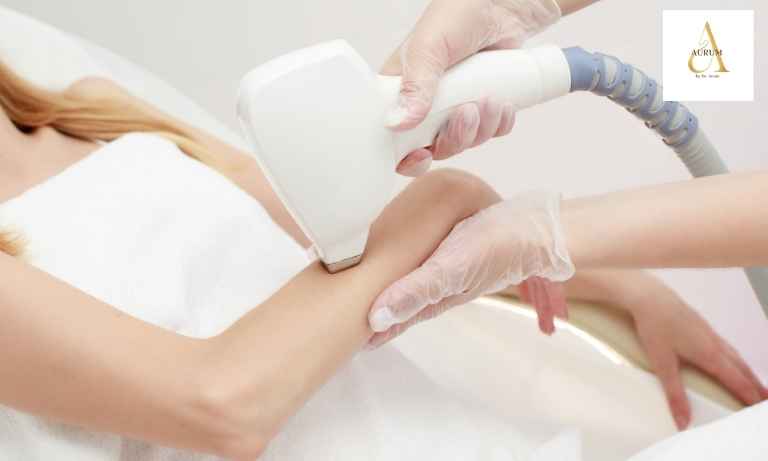
Overview
Regrowth after laser hair reduction in Punjabi Bagh is normal for two distinct reasons: the hair growth cycle means not all follicles are in the active phase during any single session, and hormonal activity, particularly androgens in women, can stimulate follicles that were previously treated to become active again over time. Most patients achieve 70 to 90 percent long-term reduction rather than complete permanent removal, and understanding this distinction before starting helps patients interpret their results accurately rather than concluding the treatment did not work.
For more before-and-after results and behind-the-scenes clinic content, follow Aurum on Instagram, or call +91 93102 11121 to speak with the clinic directly.
What the Hair Growth Cycle Actually Explains
The laser targets melanin inside hair follicles, but it only damages follicles that are in the active anagen growth phase at the time of treatment. At any given moment, roughly 20 to 30 percent of follicles in a given area are in this phase, depending on the body part, which is why a single session cannot eliminate all follicles in one pass. The subsequent sessions, spaced four to six weeks apart for body areas and three to four weeks apart for facial areas, catch the follicles that were in resting or shedding phases during earlier sessions. After a complete course of six to eight sessions, the vast majority of follicles in that area have been treated in their active phase. The hair that returns after this complete course comes from follicles that were either dormant throughout the treatment window or reactivated by hormonal changes after the course was completed. This is the biology behind why no laser course, regardless of the technology used, achieves complete permanent removal for every patient.
Why Hormonal Causes Produce a Different Kind of Regrowth
Hormonal regrowth is qualitatively different from cycle-related regrowth. It involves follicles that were successfully treated but are being re-stimulated by androgen activity, particularly in areas like the chin, jawline, and upper lip in women. Conditions like polycystic ovary syndrome, thyroid dysfunction, and perimenopausal hormonal shifts actively drive follicle stimulation in these areas regardless of how many laser sessions have been completed. Treating hormonal facial hair with laser alone without addressing the hormonal component is like treating the symptom of an ongoing cause. The laser can reduce what is currently there, but if the hormonal environment continues stimulating new follicle activity, regrowth will continue at a higher rate than in non-hormonal areas. Patients in this category often need ongoing annual maintenance sessions in the hormonal zones alongside any relevant hormonal management, rather than expecting a fixed number of sessions to resolve the issue permanently. For the broader picture on why laser hair reduction takes longer in certain cases, this published guide on why laser takes longer than expected and why that is normal addresses the timeline expectations in detail.
Why Technology and Settings Matter for Indian Skin
Patients dealing with hormonal regrowth on the scalp sometimes also need to address related hair fall treatment concerns at the same time.
Not all lasers produce the same results on Indian skin tones, and incorrect settings are a meaningful driver of inadequate reduction that gets misidentified as regrowth. The diode laser and Nd: YAG laser are the most appropriate technologies for medium to dark skin tones because they can be set at wavelengths that target the follicle without excessive absorption in the surrounding pigmented skin. IPL, which is technically not a laser, has a broader spectrum emission and is less precise for darker skin types. Patients who completed a course with suboptimal technology or incorrect calibration for their skin tone often see faster or more complete regrowth than patients treated with appropriate settings. At Aurum by Dr Anam’s laser and advanced technology treatments, the technology selection and settings are matched to each patient’s skin type and hair characteristics rather than using a standard protocol across all patients.
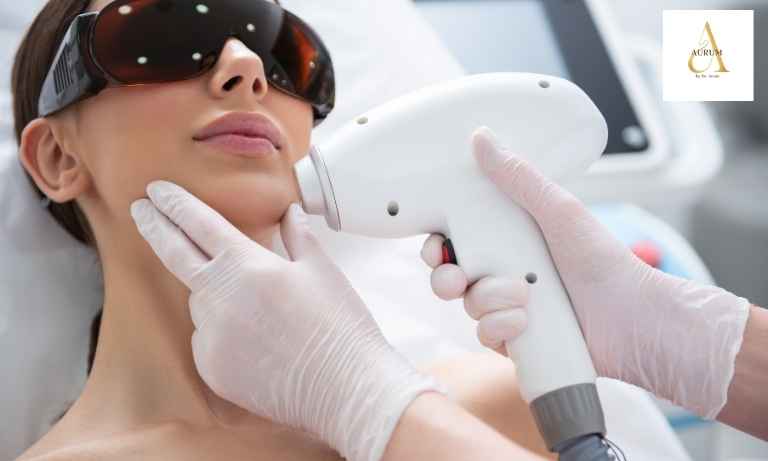
When to Book Maintenance and How to Know If You Need It
Most patients in non-hormonal areas, such as underarms, arms, or legs, can manage with one maintenance session every one to two years after completing the initial course. Hormonal zones like the chin and upper lip in women with androgen-driven hair often need maintenance every six to twelve months to stay ahead of follicle re-stimulation. If regrowth in a previously treated area is returning finer and sparser than the original hair, that is normal reduction behaviour. If it is returning at full thickness and density, that warrants an assessment to determine whether hormonal factors are driving it or whether the original course was completed with inadequate technology or session spacing.
For related reading, see our guide on why laser hair reduction genuinely takes longer than most people expect.
Conclusion
Choosing the right approach starts with asking the right questions and understanding what your own skin or concern actually needs, not a generic protocol. The team at Aurum by Dr Anam works with patients through every stage of this decision, from the first consultation to full recovery. Book a Laser Hair Reduction Consultation at Aurum, Punjabi Bagh
Frequently Asked Questions
How many sessions of laser hair reduction are needed in Punjabi Bagh?
Most body areas require six to eight sessions spaced four to six weeks apart. Facial areas typically need eight to ten sessions given the shorter growth cycle, and hormonal zones may need additional sessions beyond the standard course.
Is it normal for some hair to return after a full course of laser treatment?
Yes. 70 to 90 percent long-term reduction is the realistic expected outcome for most patients rather than complete permanent removal. The hair that returns is typically finer and lighter than the original growth.
Can laser hair reduction be done during summer in Delhi?
Yes, with appropriate precautions. Sun exposure before and after sessions should be minimised, and SPF 50 applied consistently. Tanned skin increases the risk of surface absorption and potential pigmentation changes, so timing sessions around periods of lower sun exposure is preferable where possible.
Why does facial hair regrow faster than body hair after laser in Punjabi Bagh?
Facial hair, particularly in hormonal zones, has a shorter growth cycle than body hair and is more frequently influenced by androgen activity. This is why facial areas generally require more sessions and more frequent maintenance than body areas.