

Overview
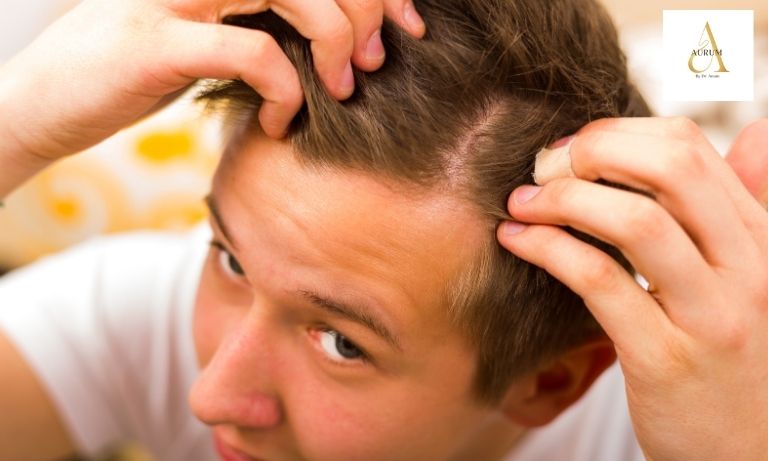
Hair fall treatment in Punjabi Bagh produces lasting results only when the underlying cause is addressed, and maintenance is continued afterward, because hair follicles do not permanently change behaviour after a single course of PRP or GFC sessions. Androgenetic alopecia, which is the most common cause of pattern hair loss, is a progressive hormonal condition that resumes its course if maintenance treatment stops. Patients who see good results and then discontinue everything are not experiencing treatment failure. They are experiencing the natural progression of a condition that was being actively managed.
For more before-and-after results and behind-the-scenes clinic content, follow Aurum on Instagram, or call +91 93102 11121 to speak with the clinic directly.
Why the Word Treatment Can Be Misleading
Most patients expect hair fall treatment to work the way an antibiotic course works: finish the sessions, the problem is resolved, move on. Hair loss does not follow that model. If the cause is hormonal, genetic, or nutritional, addressing it requires ongoing management rather than a defined endpoint. This is not a flaw in the treatment. It is the nature of the underlying condition. If you have been reading about whether reversal is actually possible, this guide on whether hair fall in Punjabi Bagh can be reversed or just slowed covers the distinction in detail and is worth reading alongside this one.
The Most Common Reasons Hair Fall Returns After Treatment
Stopping maintenance sessions too early is the most frequent cause of recurrence. PRP and GFC treatment works by stimulating follicles and improving scalp circulation, but these effects diminish if the follicles are not periodically re-stimulated after the initial course. Most protocols involve four to six sessions over three months, followed by maintenance every three to six months. Patients who stop entirely after the initial course often notice gradual recurrence within six to twelve months. Nutritional deficiencies that were corrected during treatment can return if the diet has not genuinely changed. Iron, vitamin D, and B12 levels are commonly addressed during treatment but require ongoing monitoring, particularly in women who are vegetarian or have heavy menstrual cycles, because these deficiencies are chronic conditions rather than acute ones. Hormonal changes, including pregnancy, postpartum shifts, thyroid fluctuations, and perimenopausal changes, can restart hair loss that had been well-controlled because they alter the hormonal environment the follicles are operating in. Stress is consistently underrated as a driver of ongoing hair loss because it is diffuse and hard to pinpoint as a specific trigger compared to something measurable like a blood test result.
How Maintenance Differs From the Initial Treatment Course
The full range of hair and scalp treatments at Aurum is often reviewed at this stage to build a maintenance plan suited to the specific cause identified.
The initial course of hair and scalp treatments at Aurum is intensive because it is working against an established hair loss pattern. Maintenance is less frequent and less intensive because it sustains the environment that the initial treatment created. Most patients on a proper maintenance plan, typically one session every three to four months alongside continued topical or oral management where prescribed, do not experience significant recurrence. Those who stop everything at once often restart from a position of more advanced loss than when they first presented, because the time between stopping and resuming has allowed the condition to progress further. The earlier you establish a maintenance rhythm, the easier it is to sustain results without needing to restart a full intensive course.
What Blood Tests Should Be Repeated During and After Treatment
Checking ferritin, thyroid function, and vitamin D at the beginning of treatment is standard practice, but those levels need periodic rechecking, not a one-time measurement. Ferritin, in particular, can drop again over three to six months in patients with dietary iron limitations. A patient who addressed a deficiency at the start of treatment but did not change their dietary habits is likely to see the deficiency and associated hair loss return within the same timeframe. For context on what initially caused the hair fall and how causes are investigated, this earlier guide on why hair fall happens in the first place covers the diagnostic workup in detail.
When Hair Fall Recurrence Actually Signals a Different Problem
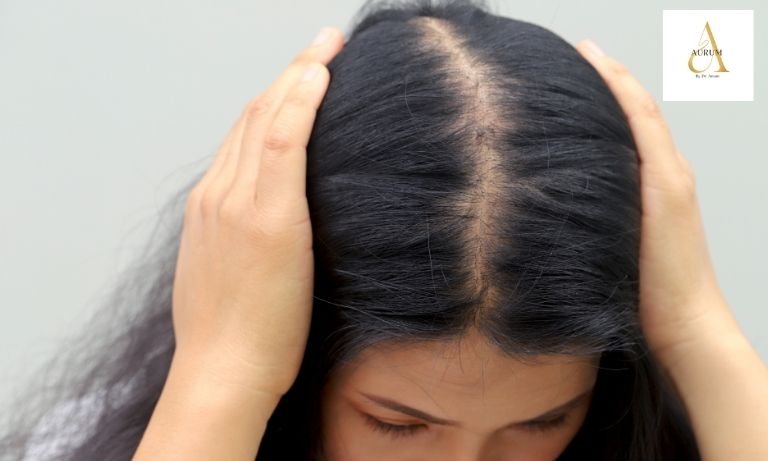
Not all recurrence after treatment is simply a maintenance gap. Sometimes the return of hair loss signals a change in the underlying condition, a new hormonal shift, a medication side effect, or a new nutritional deficiency that was not present initially. If hair fall returns significantly despite ongoing maintenance, the right response is a fresh assessment rather than simply increasing session frequency. New blood work, a repeat scalp assessment, and a conversation about what has changed in the patient’s health and lifestyle over the intervening period often reveal something that explains the recurrence specifically rather than treating it as a generic relapse.
For related reading, see our guide on the full breakdown of hair fall causes, solutions, and expected results.
Conclusion
Choosing the right approach starts with asking the right questions and understanding what your own skin or concern actually needs, not a generic protocol. The team at Aurum by Dr Anam works with patients through every stage of this decision, from the first consultation to full recovery. Book a Hair Fall Consultation at Aurum, Punjabi Bagh
Frequently Asked Questions
How long do PRP or GFC hair treatment results typically last in Punjabi Bagh?
With proper maintenance every three to four months, results from an initial PRP or GFC course can be sustained long-term. Without maintenance, most patients notice gradual recurrence within six to twelve months of stopping completely.
Does hair fall treatment work differently for men and women?
The mechanism of treatment is the same, but the causes driving hair loss often differ. Women more frequently have nutritional or hormonal contributors alongside androgenetic alopecia, which means their maintenance plan may include more frequent blood monitoring than a typical male pattern loss case.
Should I keep taking prescribed hair loss medication even after completing PRP sessions?
Yes, if it was prescribed as part of your plan. Topical minoxidil and other prescribed treatments work alongside PRP, not instead of it. Stopping medication while discontinuing sessions removes two layers of management simultaneously.
How do I know if my hair fall is returning or just normal daily shedding?
Normal daily shedding is 50 to 100 hairs. If you are noticing significantly more on your pillow, in the shower, or on your brush than you were during the treatment period, that is worth discussing with your provider rather than monitoring independently.