

Overview
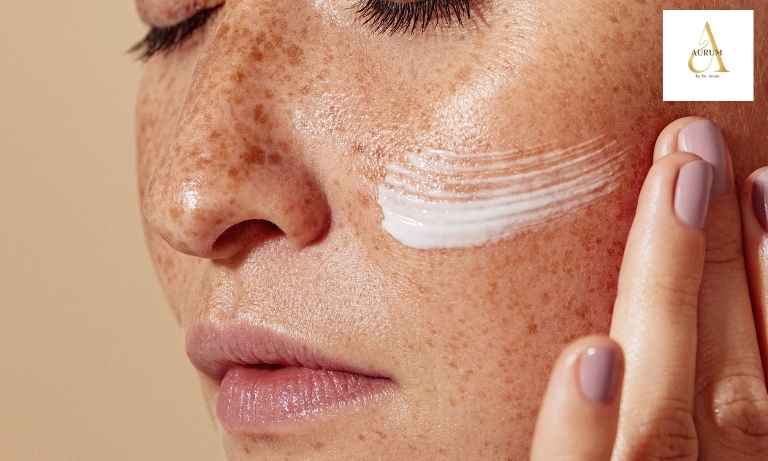
Pigmentation is one of the more stubborn skin concerns precisely because it responds to some treatments temporarily before returning, often leaving patients wondering whether anything actually works long-term. Over-the-counter creams tend to fade surface tone slightly, but the deeper pigment-producing process underneath usually keeps going untouched. Getting proper Pigmentation Treatment in Punjabi Bagh means addressing that deeper process, not just lightening what’s currently visible.
At Aurum by Dr Anam, pigmentation is assessed by type and cause before treatment begins, since sun-related, hormonal, and post-inflammatory pigmentation all need different approaches to genuinely resolve.
What Causes Pigmentation?
The main contributing factors:
● Sun exposure, which triggers melanin production even after visible spots fade
● Hormonal changes, particularly during pregnancy or with certain medications
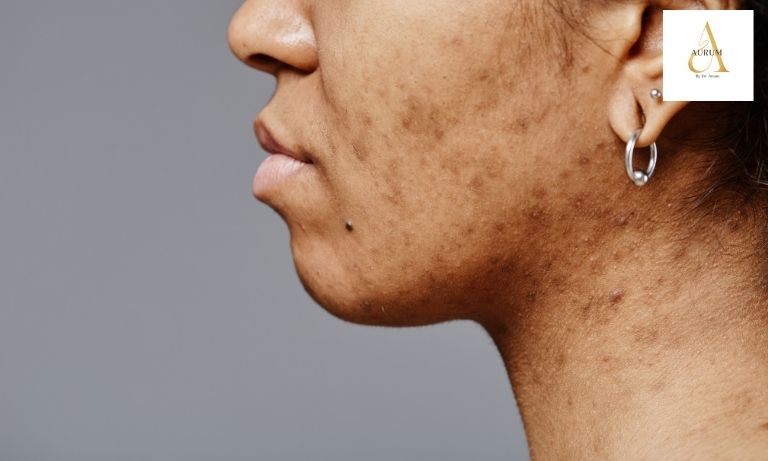
● Post-inflammatory pigmentation left behind after acne or skin injury
● Genetic predisposition, making some individuals more prone to pigmentation overall
Pigmentation that keeps returning almost always means the underlying trigger was never actually addressed, only the visible mark.
Different Types of Pigmentation Disorders
1. Sun-Induced Pigmentation
Appears in sun-exposed areas and tends to worsen with continued exposure without protection.
2. Melasma
Hormonally influenced pigmentation, often symmetrical, and generally more stubborn to treat than sun spots.
3. Post-Inflammatory Pigmentation
Marks left behind after acne or skin injury, requiring the underlying inflammation to be addressed too.
4. Age-Related Pigmentation
Spots that develop gradually over years of cumulative sun exposure.
Meet Dr. Anam – Pigmentation Treatment Specialist in Punjabi Bagh
Patients dealing with stubborn pigmentation want a clinic that identifies the specific type before recommending treatment, not a generic brightening package.
Clinic Highlights:
● Doctor-led aesthetic treatments using US-FDA approved technologies
● Personalised assessment of pigmentation type before treatment begins
● Access to both chemical peel and laser-based pigmentation treatment options
● A safe, hygienic clinical environment in Punjabi Bagh, Delhi
For questions about your specific pigmentation pattern, patients can call 93102 11121 before booking a consultation.
Advanced Treatment Options
What professional treatment typically includes:
● Chemical peels targeting pigment at a deeper skin layer than creams reach
● Laser treatment breaking down excess pigment more precisely
● Customised brightening therapies matched to the specific pigmentation type
● Combination approaches when multiple pigmentation types are present together
Professional pigmentation treatment reaches depths that over-the-counter products simply aren’t formulated to access.
Chemical Peels vs Laser Treatments
Key differences worth understanding:
● Chemical peels work through controlled exfoliation using acids or targeted solutions
● Laser treatment breaks down pigment using targeted light energy at a deeper level
● Peels are often better suited to superficial, widespread pigmentation
● Laser treatment can be more precise for stubborn or deeper pigment concerns
The right choice between peels and laser depends entirely on how deep and how stubborn your specific pigmentation actually is.
How Long Does Treatment Take?
What to realistically expect:
● Most pigmentation cases need multiple sessions, spaced several weeks apart
● Visible improvement often builds gradually across the treatment series
● Full results typically take several weeks to months, depending on pigmentation depth
● Consistent sun protection significantly affects how quickly and fully results appear
Pigmentation treatment is a gradual process, which is why patience across a full treatment series matters more than expecting overnight change.
Preventing Pigmentation Recurrence
✔ Daily broad-spectrum sunscreen application, regardless of weather
✔ Gentle, non-irritating skincare that supports the skin barrier
✔ Treating acne promptly to avoid post-inflammatory pigmentation
✔ Periodic maintenance sessions if pigmentation is hormonally driven
✔ Avoiding known triggers where possible, including certain medications
Consistent sun protection after treatment is often the single biggest factor in whether pigmentation results actually last.
Results You Can Expect
What most patients notice:
● Gradual, visible reduction in dark spots and uneven tone
● Improved overall skin brightness and evenness across the treatment series
● Results building progressively rather than appearing after a single session
● Long-term improvement when combined with consistent sun protection
Pigmentation treated properly, with the cause identified first, is far less likely to return compared to treating the visible spot alone.
Why Aurum by Dr Anam?
● Personalised assessment identifying the specific pigmentation type present
● Access to both chemical peel and laser-based treatment options
● Doctor-led treatment using US-FDA approved technologies
● Direct phone access at 93102 11121 for questions
● A luxury clinical environment prioritising safety and effective results
Treating pigmentation based on its actual cause and type is what actually prevents the same spots from resurfacing months later.
Conclusion
Pigmentation that keeps returning usually means the underlying trigger, whether sun, hormones, or post-inflammatory changes, was never fully addressed. Dr. Anam and the team at Aurum identify the specific type before building a treatment plan, combining in-clinic treatment with consistent sun protection for results that actually last.
For questions about pigmentation treatment, call 93102 11121 or 93102 11131, or email info@aurumbydranam.com. Follow skin transformations on Instagram.
Book your pigmentation consultation with Aurum here.
FAQs
Why does pigmentation keep coming back after treatment?
Pigmentation returns when the underlying trigger, such as sun exposure or hormonal changes, isn’t addressed alongside the visible spot, or when sun protection isn’t maintained.
What’s the difference between melasma and regular pigmentation?
Melasma is hormonally influenced and often appears symmetrically, tending to be more stubborn and requiring a different treatment approach than sun-induced pigmentation.
Should I choose a chemical peel or laser for pigmentation?
This depends on the depth and type of pigmentation. Peels suit superficial, widespread concerns, while laser treatment can be more precise for stubborn or deeper pigment.
How long does pigmentation treatment take to show results?
Visible improvement typically builds gradually over several weeks to months, depending on the depth and type of pigmentation being treated.
How important is sunscreen for pigmentation treatment?
Extremely important. Sun protection is a core part of treatment itself, since UV exposure is the most common trigger for pigmentation recurrence.