

Are Under-Eye Fillers in Punjabi Bagh the Right Fix, or Is Something Else Causing Your Dark Circles?
Overview
Under-eye dark circle treatment in Punjabi Bagh with fillers is only appropriate when the dark circle is caused by volume loss creating a hollow shadow beneath the eye, not when the darkness comes from pigmentation, thin skin showing blood vessels, or puffiness pushing a shadow downward. Treating a pigmentation-driven dark circle with filler often makes it look worse because adding volume in the wrong place deepens the contrast between the dark area and the surrounding skin. The cause of the dark circle determines the treatment, and getting this diagnosis wrong is the most common reason under-eye treatment produces unsatisfying results.
For more before-and-after results and behind-the-scenes clinic content, follow Aurum on Instagram, or call +91 93102 11121 to speak with the clinic directly.
Why Dark Circles Are Not All the Same Colour for the Same Reason
The area under the eye looks dark for four distinct reasons that each present differently and require different interventions. Volume loss creates a hollowness called the tear trough that casts a shadow under the eye regardless of pigmentation. Pigmentation, either from hyperpigmentation triggered by sun exposure or from a genetic tendency to increased melanin in the under-eye area, creates a brownish or greyish discolouration that is not shadow-based. Thin skin that allows the purplish orbicularis oculi muscle or the blood vessels beneath it to show through creates a bluish or purplish tone. Puffiness or under-eye bags creates a different kind of shadow by pushing the area below the bag into a recessed appearance. These four causes can exist individually or in combination, and the treatment plan changes significantly depending on which one or which combination is driving the appearance. For patients who have read the earlier guide on what dark circles under the eyes actually mean and what you can do, this guide is the next level of detail on the treatment decision specifically.
When Fillers Are Actually the Right Answer
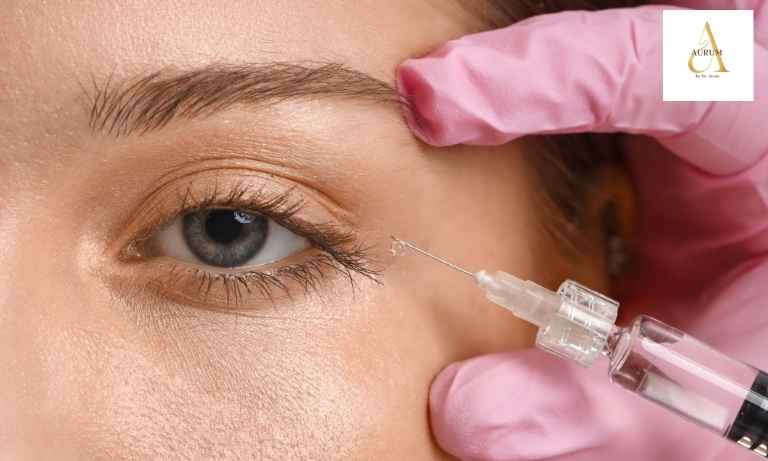
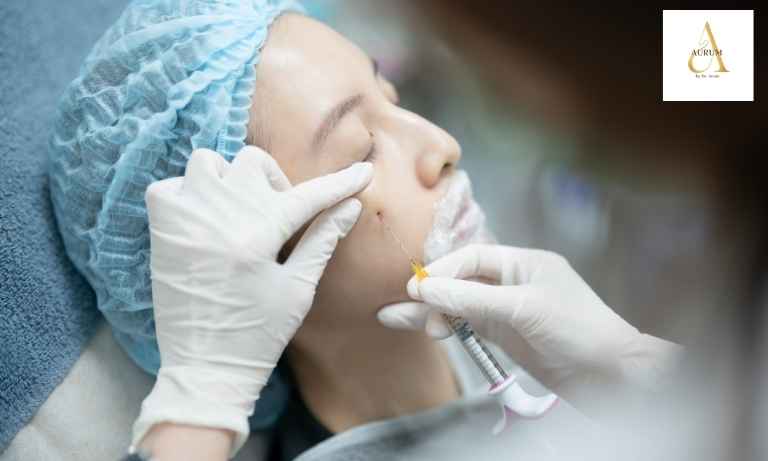
Tear-trough filler is appropriate when the primary cause of the dark circle is volume loss creating a hollow. The hollow creates a shadow that is mechanical rather than pigmentation-based, meaning no topical agent or laser will change it because there is no excess melanin to treat. Filling the hollow with hyaluronic acid filler lifts the skin so the shadow disappears or is significantly reduced. Tear trough filler is one of the more technically demanding filler placements because the skin under the eye is extremely thin, the lymphatic drainage in this area is easily disrupted, producing swelling if filler is placed incorrectly, and the Tyndall effect, a bluish discolouration visible through thin skin if filler is placed too superficially, is a real complication in this area. The assessment at Aurum by Dr Anam includes a specific evaluation of the tear trough depth and skin thickness before recommending filler for this area.
When Fillers Are Not the Answer and What Is
Pigmentation-based dark circles respond to topical agents like vitamin C, kojic acid, and retinoids that work on melanin production, to chemical peels that accelerate epidermal turnover in this area, and to laser toning that targets melanin at the right depth without damaging the thin surrounding skin. Filler added to a pigmented area does not reduce the pigmentation and can make the area look puffier, which can worsen the appearance rather than improve it. Thin skin showing underlying structures responds most to treatments that improve skin thickness and quality over time, including PRP under-eye treatment, skin boosters, and collagen-stimulating procedures that gradually thicken the dermis enough to reduce the visibility of the underlying structures. This is a long-term outcome rather than an immediate result, which is different from the more immediate change filler produces in volume-loss cases. Puffiness or true under-eye bags are primarily a structural issue involving fat herniation beneath the lower eyelid, and while some cases respond to reducing fluid retention and improving lymphatic drainage, significant bags often require a surgical consultation rather than any non-surgical treatment. Attempting to treat bags with filler by filling the area below them can sometimes create a smoother transition that reduces the contrast, but it does not address the bag itself.
How a Proper Assessment Determines the Cause
When the cause is structural rather than pigmentation-related, under-eye correction is usually planned as part of a broader anti-aging and aesthetic enhancements approach.
Looking at the under-eye area in different lighting conditions, at different angles, and when pressing gently on the area tells an experienced practitioner a significant amount about the cause. Shadow from the hollow is most visible in direct frontal lighting and reduces when the face is tilted. Pigmentation does not change with lighting angles. Vascular show creates a distinct bluish or purplish tone that does not match the brown of melanin-based pigmentation. An assessment that takes ten minutes to look at the area from multiple angles and ask about family history, iron levels, sleep quality, and allergy history is producing a meaningfully different diagnosis than one that recommends filler at the first appointment without this evaluation.
For related reading, see our guide on how Botox is approached for first-time patients.
Conclusion
Choosing the right approach starts with asking the right questions and understanding what your own skin or concern actually needs, not a generic protocol. The team at Aurum by Dr Anam works with patients through every stage of this decision, from the first consultation to full recovery. Book an Under Eye Consultation at Aurum, Punjabi Bagh
Frequently Asked Questions
How long does tear-trough filler last in Punjabi Bagh?
Tear-trough filler typically lasts twelve to eighteen months, though the under-eye area metabolises filler slightly faster than some other facial areas due to its high lymphatic activity. Results vary based on the product used and individual metabolism.
Can under-eye dark circles be treated without injections?
Yes, for pigmentation-based dark circles. Topical agents, chemical peels, and laser toning address melanin-driven darkness without any injection. For hollow-based shadows, non-injection options produce less change than filler, but skin quality treatments can improve the area incrementally over time.
Is tear-trough filler safe for Indian skin in Punjabi Bagh?
Yes, when placed correctly by an experienced injector familiar with the thin tissue and lymphatic anatomy of the under-eye area. The Tyndall effect risk is higher in this area than in other facial zones, making placement depth and product selection particularly important.
Does lack of sleep cause permanent dark circles?
Temporary sleep deprivation causes temporary fluid shifts and vascular dilation that make the area look darker. Chronic lack of sleep may contribute to long-term changes in skin quality and circulation in this area, but the primary causes of persistent dark circles are volume loss, pigmentation, thin skin, or hereditary factors rather than sleep alone.