

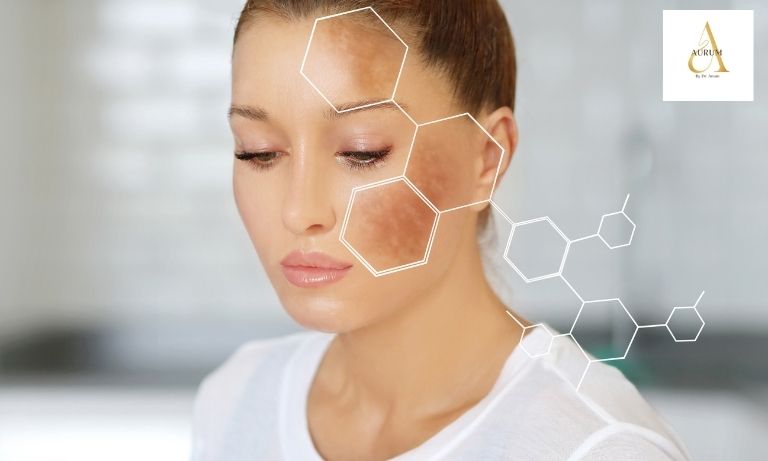
You got them treated. The spots faded. Three months later, they’re back.
This isn’t your fault. This isn’t the clinic’s fault either. What’s happening is that most people treat the symptom without addressing why the pigmentation showed up in the first place. You’re cleaning the mirror but not fixing the light.
The Real Reason Your Skin Keeps Making Pigment
Sun damage is the obvious culprit. UV rays trigger melanin production, and if you’ve spent years in Delhi’s heat without protection, your skin has stored that damage like a filing system it never asked for. But here’s what people miss: sun exposure isn’t the only trigger.
Hormonal changes cause pigmentation. Pregnancy, birth control pills, and certain medications. Your body floods with hormones, and your skin responds by darkening in patches. This is called melasma, and it’s incredibly common in women across India. The pigmentation treatment in Punjabi Bagh can help, but if hormones are still the driver, you need to address that first.
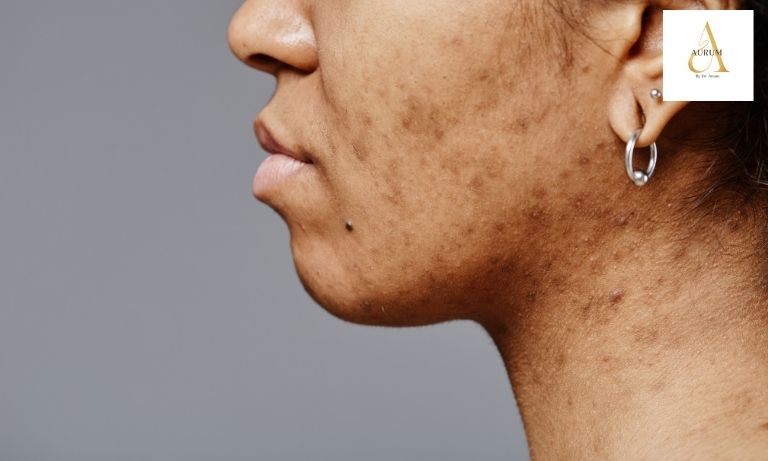
Inflammation is another one. Post-inflammatory hyperpigmentation happens after acne, eczema, or even aggressive skincare. Your skin inflames, heals, and leaves behind darker patches as a leftover response. This one surprises people because they think treating acne should fix everything. It doesn’t.
Genetics matter. Some skin types just hold onto pigment more stubbornly. If your parents dealt with pigmentation, your skin likely inherited that tendency. Then there’s aging. As your skin gets older, melanin distribution becomes uneven. The cells that produce pigment start acting unpredictably.
Why Treatments Fade, Then the Spots Return
This is the critical part nobody talks about honestly.
You get a laser treatment, chemical peel, or microneedling. The treatment damages the top layer of skin and breaks up the pigment. The spots disappear. Your skin looks incredible for a month. Then gradually, pigmentation creeps back.
Why? Because the underlying cause is still active. If sun exposure causes it and you’re not using SPF religiously, your skin will just make more pigment. If hormones triggered it and you’re still on the same birth control, your skin hasn’t stopped getting that hormonal signal. The treatment worked. It genuinely did. But without prevention, your skin is basically being asked to do the same thing again. At Aurum by Dr Anam, we see this pattern constantly, which is why we emphasize prevention as much as the procedure itself.
Most clinics don’t talk about this because it’s not as exciting as discussing the treatment. But if you want pigmentation that actually stays gone, you need to tackle the cause alongside the treatment.
What Actually Stops Pigmentation From Recurring
SPF is non-negotiable. Not sometimes. Every single day. Broad-spectrum, minimum SPF 30, reapplied every two hours if you’re outside. This isn’t optional if you’ve had pigmentation treated. Your skin has already shown it’s prone to making pigment when exposed to UV. You’re not trying to prevent it the first time anymore. You’re preventing it from happening again.
Vitamin C serums have real evidence behind them. They inhibit tyrosinase, the enzyme that makes melanin. Applied consistently in the morning before SPF, they reduce new pigment formation over weeks and months.
Retinoids speed up cell turnover. This matters because it prevents pigment from settling in. New skin cells push old ones out faster. The pigment has less time to stick around. This approach also helps with uneven tone from aging.
Avoiding triggers is obvious, but worth saying clearly. If pregnancy caused your melasma, you can’t avoid pregnancy if that’s your choice. But you can control sun exposure obsessively, and you can use preventative treatments more aggressively. If hormones are the driver, talk to your dermatologist about whether your birth control is worth keeping given the pigmentation cost. Professional treatments at Aurum work better with a strong prevention plan. Laser, chemical peels, microneedling, pigment-targeting serums, they all work. But they work best when you’re also preventing new pigment from forming.
The Timeline You Should Actually Expect
Pigmentation takes time to show. It takes time to treat. And it takes commitment to keep it gone.
Most treatments need 3 to 6 sessions spaced 2 to 4 weeks apart. Your skin needs time to heal and respond between sessions. During this time, you’re seeing gradual improvement, not immediate perfection. This is normal and expected.
After your final treatment, the pigmentation doesn’t vanish overnight. It fades over the next 4 to 8 weeks as your skin completely renews. Patience matters here. Then maintenance starts. Whether that’s monthly facials, quarterly laser touch-ups, or just religious skincare, it depends on your skin and your triggers. Some people never see pigmentation return. Others need annual treatments because their skin is prone to it. This isn’t a failure of treatment. Our team at Aurum by Dr Anam builds a maintenance plan around your skin’s specific pattern, because how pigmentation behaves varies from person to person.
When to Book a Consultation
You should consider professional treatment if pigmentation is affecting your confidence. Skincare alone can slow it down, but rarely eliminates established dark spots completely. You should also book if you’ve tried treatments before and they didn’t stick, because that usually means your prevention plan wasn’t solid. If you have melasma specifically, you need a doctor’s assessment because some treatments work better than others, depending on the depth of the pigmentation. Learn more about skin rejuvenation options available at Aurum.
• You’ve had pigmentation for more than a few months
• Skincare hasn’t made a noticeable difference
• The spots are affecting how you feel about your appearance
• You want to prevent new pigmentation from forming before it starts
• You’re unsure which treatment would work best for your skin type and pigmentation depth
FAQ SECTION (SEO + SCHEMA READY)
Frequently Asked Questions
Q. Does pigmentation treatment work on all skin tones?
Yes. Professional pigmentation treatments at Aurum are designed for all skin tones. The technology and approach may differ depending on your skin type, which is why a consultation is important before booking any treatment.
Q. How long after treatment can I go in the sun?
After most pigmentation treatments, you should avoid direct sunlight for at least 48 to 72 hours. After that, SPF 50+ is essential every single day. Your skin will be more photosensitive, so sun exposure will increase pigmentation formation rather than prevent it.
Q. Can I combine pigmentation treatment with other skin treatments?
Yes. Pigmentation treatments can often be combined with other procedures, depending on what your skin needs and what your doctor recommends. A customized plan usually works better than single treatments in isolation.
Q. Is pigmentation treatment painful?
Most modern treatments, like lasers and chemical peels, involve minimal discomfort. Cooling systems and topical anesthetics are used to manage any sensation. The procedure is usually tolerable for most patients.
CTA